Category: INVESTMENT

  • OpenAI Stops Working with Scale AI After Meta Invests Billions and Hires Its CEO

    OpenAI Stops Working with Scale AI After Meta Invests Billions and Hires Its CEO

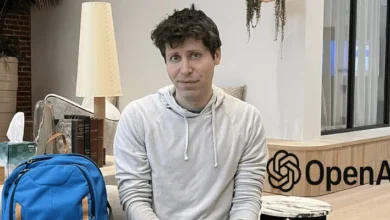
    OpenAI, the company behind ChatGPT, has decided to end its partnership with Scale AI, a startup that helps label data for artificial intelligence. This comes just days after Meta (the company that owns Facebook and WhatsApp) invested billions of dollars in Scale AI and hired its co-founder and some employees.

    Why OpenAI Is Moving Away from Scale AI

    Even though OpenAI has worked with Scale AI in the past, the company was already planning to rely less on them before Meta’s big investment. OpenAI is now looking for other companies that can provide more specialized data to help train its advanced AI models.

    At first, OpenAI said it would keep working with Scale AI as one of its many data providers. But now, it seems the partnership is ending completely.

    Meta’s Huge Investment in Scale AI

    Meta recently invested $14.3 billion in Scale AI, taking a 49% stake in the company. As part of the deal, Scale AI’s CEO and co-founder, Alexandr Wang, along with some employees, will join Meta to help with its AI projects.

    Before this deal, Scale AI was already valued at nearly $14 billion after investments from big tech companies like Nvidia, Amazon, and Meta. Now, with Meta’s latest investment, Scale AI’s value has jumped to $29 billion.

    Why Other AI Companies Are Worried

    Many experts warned that Meta’s investment could cause problems for Scale AI. Since Meta is a major competitor in AI, other companies (like OpenAI and Google) might not want to keep working with Scale AI if they think Meta could gain access to their private data and research.

    When companies use Scale AI’s services, they often share confidential information about their AI projects. Now that Meta owns nearly half of Scale AI, rivals like OpenAI and Google worry that Meta could learn about their AI strategies.

    Google Also Plans to Leave Scale AI

    Google, which was Scale AI’s biggest customer, recently announced it would stop working with them. Google had planned to pay Scale AI $200 million this year for data-labeling services to improve its AI models, including Gemini (its competitor to ChatGPT).

    Reports say that Scale AI made $870 million in revenue in 2024, mostly thanks to Google’s $150 million in contracts. Now, with both OpenAI and Google leaving, other big tech companies like Elon Musk’s xAI and Microsoft might also stop using Scale AI’s services.

    What This Means for Scale AI

    While Meta’s investment is a big win for Scale AI’s CEO, Alexandr Wang, it could hurt the company’s reputation with other tech giants. Wang, who is known as one of Silicon Valley’s top entrepreneurs, has worked closely with OpenAI’s CEO, Sam Altman, and even the U.S. government.

    In a message to employees, Wang said:
    “As you’ve probably seen in the news, big opportunities like this come with sacrifices. For me, that means leaving Scale AI. It has been the greatest honor of my life to lead this company.”

    Scale AI Says Business Is Still Strong

    Despite the challenges, a Scale AI spokesperson said the company is still doing well. They work with many big companies and governments and promise to keep customer data safe.

    But with OpenAI, Google, and possibly others leaving, the future of Scale AI’s partnerships remains uncertain.

    The Bigger Picture: AI Competition Heats Up

    This situation shows how intense the competition is in the AI industry. Big companies like Meta, Google, OpenAI, and Microsoft are all racing to build the best AI models and they don’t want their rivals to get an advantage.

    For now, Meta’s investment in Scale AI gives it a boost, but it may have cost Scale AI some of its biggest customers.

  • The Federal Government Plans to Train 100,000 Young Nigerians Every Year in Forex Trading

    The Federal Government Plans to Train 100,000 Young Nigerians Every Year in Forex Trading

    The Federal Government of Nigeria has announced a new program to train 100,000 young Nigerians each year in foreign exchange (Forex) trading. Forex trading involves buying and selling different currencies to make a profit. This program is part of a larger plan to reduce youth unemployment and help more Nigerians gain financial knowledge and opportunities.

    The government has partnered with Investonaire Academy, a training organization, to make this program possible. On Tuesday, both sides signed an official agreement called a Memorandum of Understanding (MoU) in Abuja. Omolara Esan, the Director of Information and Public Relations at the Federal Ministry of Youth Development, explained that this program shows President Bola Tinubu’s government is serious about helping young people succeed.

    The training will teach young Nigerians important skills in Forex trading, risk management (how to avoid losing money), and financial planning (how to manage money wisely). These skills will help them work in the global financial market and earn a good income.

    Forex Training Will Create Jobs and Improve Financial Knowledge

    Dr. Enefola Odiba, the International Programme Director at Investonaire Academy, spoke about the benefits of the program. He said that teaching young people about Forex trading will create job opportunities. He also explained that many young Nigerians struggle with money problems because they lack financial education and digital skills. This program will help solve that problem.

    He said, “Young people are the future of any country. When they have the right skills, they can create new ideas, start businesses, and help the economy grow. This training program will unlock the potential of Nigeria’s youth.”

    Dr. Odiba also mentioned that the Forex training supports the government’s bigger goals, such as increasing digital skills, diversifying the economy (not relying only on oil), and teaching new, modern skills.

    Youth Unemployment is a Major Problem in Nigeria

    Many young Nigerians struggle to find jobs. According to the National Bureau of Statistics, the unemployment rate for young people aged 15-24 was 8.6% in the third quarter of 2023. While this is lower than the peak of 53.4% in 2020, unemployment is still a big issue.

    Other problems include underemployment (people working but not earning enough) at 12.3% and the NEET rate (young people who are not working, not in school, and not learning any skills) at 13.7%. The government hopes that Forex training will help reduce these numbers by giving young people useful skills.

    Government Officials Praise the Program

    The Minister of Youth Development, Ayodele Olawande, spoke at the signing ceremony. He said this partnership with Investonaire Academy is a big step toward empowering young Nigerians. The program will not only teach Forex trading but also help young people develop digital skills, think critically, and take advantage of global opportunities.

    Ayodele Oluwande, Minister of Youth Development

    He said, “This program is not just about trading money. It is about teaching our youth to be smart, use technology, and create wealth for themselves and Nigeria.”

    The Minister also said that this kind of training will help young people become financially independent and strong, even when the economy is unstable. He praised Investonaire Academy for supporting youth development.

    He added, “This agreement is not just for show. We will make sure it produces real results that improve the lives of young Nigerians.”

    The Ministry promised that the training program will be transparent (no corruption), high-quality, and will truly help young people compete in the global economy.

    Government Also Launches Free AI Training

    In addition to the Forex program, the Federal Government has also started a free Artificial Intelligence (AI) Academy through the Ministry of Innovation, Science, and Technology. This program began in December and aims to make Nigeria a leader in the digital economy.

    The government plans to train Nigerians in AI skills through the Commonwealth AI Academy, supported by Intel. The Commonwealth Artificial Intelligence Consortium (CAIC) is a group of countries working together to use AI to help their economies and young people. Nigeria is part of this group, which aims to support 1.5 billion young people under age 30 in Commonwealth nations.

  • Starlink Officially Launches Its Services in the Democratic Republic of Congo (DRC)

    Starlink Officially Launches Its Services in the Democratic Republic of Congo (DRC)

    Starlink, the satellite internet service owned by Elon Musk’s company SpaceX, has officially started providing its services in the Democratic Republic of Congo (DRC). This is a big step toward helping more people in the country get access to the internet.

    The Congolese Postal and Telecommunications Regulatory Authority (ARPTC) gave Starlink permission to operate in the country on May 2, 2025. Starlink DRC S.A., which is the local branch of the company, received a telecommunications license to begin its services.

    Why This Is Important for the DRC

    The DRC is a very large country with over 111 million people. However, as of January 2025, only about 30.6% of the population had internet access. This is because the country has many challenges, including poor internet infrastructure and ongoing conflicts in some regions, especially in the east.

    Starlink’s technology uses satellites in low Earth orbit (LEO) to provide fast internet directly from space. This means it does not need cables or towers on the ground, making it a great solution for rural and hard-to-reach areas where traditional internet services are not available.

    The ARPTC has said that Starlink’s service will help improve internet access in the DRC, which can benefit education, healthcare, and online businesses.

    Starlink’s Growth in Africa

    The DRC is the 22nd African country where Starlink is now available. Earlier in April 2025, the service also launched in Somalia, Lesotho, and Guinea-Bissau.

    Starlink’s presence across Africa

    Starlink uses more than 7,000 satellites to provide internet with download speeds between 5-50 Mbps and upload speeds of 2-10 Mbps. Some of its plans offer unlimited data.

    However, the cost may be a problem for many people in the DRC. The Starlink equipment (the satellite dish and router) costs $400, and the monthly subscription starts at $43. In a country where many people struggle financially, this could make it difficult for everyone to afford the service.

    How Starlink Overcame Challenges in the DRC

    At first, the DRC government had banned Starlink in March 2024. The ARPTC said they were worried about national security because rebel groups, like the M23 (which is supported by Rwanda), could use the service in conflict areas.

    The government had even warned people against using Starlink illegally and blocked attempts to bypass restrictions by registering devices in other countries. Starlink’s dishes have GPS tracking, so the company could stop this from happening.

    But by May 2025, the ARPTC changed its decision and gave Starlink a license after the company met all the necessary rules. The exact details of the agreement are not public, but some experts think it may be connected to talks between the U.S. and DRC about trade and security partnerships.

    What This Means for the DRC’s Internet Market

    The ARPTC’s president, Christian Katende, said that Starlink will start its services very soon and that the company followed all the required steps.

    Some experts believe that Starlink’s arrival will create more competition in the DRC’s internet market. This could lead to lower prices and better services for customers.

    However, local internet providers are worried because Starlink offers faster speeds and wider coverage than traditional ground-based networks. Some companies are now focusing on other services, like e-health and supply chain management, to stay competitive.

    Starlink’s Future in Africa

    Starlink is growing quickly in Africa. It is already available in Nigeria, Rwanda, Kenya, and Ghana, among other countries. Its ability to provide internet in places with poor infrastructure makes it a promising solution for improving education and business opportunities.

    But Starlink is not the only company working on satellite internet. Amazon’s Project Kuiper plans to launch over 1,600 satellites by mid-2026, and Eutelsat’s OneWeb is also expanding in Africa. Still, Starlink has an early advantage in many markets.

    In Uganda, President Yoweri Museveni has shown support for Starlink’s low-cost internet solutions, which could mean more growth in the region.

    However, in some countries like South Africa, Starlink is still facing legal challenges. South Africa’s rules require local ownership of telecom companies, and the government has not yet allowed Starlink to operate there.

    Conclusion

    Starlink’s launch in the DRC is a major development that could help millions of people get online. While there are still challenges, like affordability and competition, the service has the potential to transform internet access in one of Africa’s largest and most underserved countries.

    The DRC’s decision to allow Starlink also shows how satellite internet is becoming an important tool for connecting remote and conflict-affected regions around the world.

  • Ebonyi State Launches EBOCAB Ride-Hailing Service

    Ebonyi State Launches EBOCAB Ride-Hailing Service

    The Governor of Ebonyi State, Francis Nwifuru, has started a new ride-hailing service called EBOCAB to improve transportation in the state. The launch happened at a new terminal in Abakaliki. The goal is to help people move around more easily, create jobs, and make the city safer.

    EBOCAB’s slogan is “Our City, Our Ride.” The service uses modern pickup trucks and SUVs to carry passengers. It was created to solve transport problems, especially the issues of harassment and theft caused by some tricycle riders at the Ebonyi International Market.

    People can use EBOCAB by downloading a mobile app from the Play Store or App Store to book rides.


    Why EBOCAB Was Created

    At the launch on Ogoja Road, near the Ecumenical Centre, Governor Nwifuru said he started EBOCAB because of safety concerns with tricycle riders. He said the service will run all day and night and help the state grow economically by making transportation easier and safer.

    The EBOCAB terminal is well-equipped to manage ride bookings and vehicle maintenance. It has 60 pickup trucks and 30 SUVs. These vehicles will be used by both city commuters and air travelers going to and from the airport.


    Mixed Reactions to the Vehicle Choice

    Some people have criticized the use of pickup trucks for carrying passengers, saying they are more for carrying goods. Others think the government should have focused on larger buses instead of ride-hailing, since Abakaliki is not a very large city.

    However, many others support the project. They say it’s a good step forward for the state’s development. It’s part of Governor Nwifuru’s plan to improve roads, farming, and give young people jobs. EBOCAB will hire many young drivers and workers, helping to reduce unemployment and improve safety.


    How the Service Works

    Riders can book a ride through the EBOCAB app. The app is easy to use and connects passengers with drivers quickly—within 5 minutes. It also allows real-time tracking of rides and promises affordable prices for everyone.

    The governor said the service will start officially on May 28, 2025, with over 100 vehicles, and more will be added as demand grows.


    Public Support

    Governor Nwifuru shared his excitement online, saying EBOCAB will help transportation, create jobs, grow the economy, and make people feel safer.

    Former Minister of Power and Steel, Chief Godwin Ogbaga, thanked the governor. He said people can now ride in air-conditioned vehicles and that the service will help both the economy and security since all rides can be tracked.

    The state’s Commissioner for Transportation, Collins Igboke, also urged people to support this new technology, saying it can help reduce crime in the state.

  • CBN Holds Interest Rate Steady at 27.5% Amid Inflation Fight

    CBN Holds Interest Rate Steady at 27.5% Amid Inflation Fight

    Abuja, May 20, 2025 – The Central Bank of Nigeria (CBN) has decided to maintain its benchmark interest rate at 27.5 percent, keeping monetary policy tight as the nation continues its battle against inflation.

    After its two-day Monetary Policy Committee (MPC) meeting in Abuja – the 300th such gathering since the committee’s creation – the CBN announced it would hold all key rates unchanged:

    • Monetary Policy Rate (MPR): 27.5% (unchanged)

    • Cash Reserve Ratio (CRR): 50% for commercial banks

    • Liquidity Ratio: 30%

    • Asymmetric Corridor: +500/-100 basis points around MPR

    CBN Governor Olayemi Cardoso revealed the decisions during a live YouTube broadcast from the bank’s headquarters, noting that while inflation has shown signs of easing, monthly price increases remain concerning.

    Inflation Shows Modest Improvement
    Recent data from the National Bureau of Statistics (NBS) showed April inflation at 23.71%, down from 24.23% in March. Food inflation also declined slightly to 21.26% from 21.79% over the same period.

    “The committee recognizes these positive trends but remains cautious,” Cardoso stated. “We’re seeing some stability returning to the foreign exchange market and some relief in fuel prices, but we cannot declare victory yet.”

    Balancing Growth and Stability
    The decision comes amid ongoing debates about the impact of high interest rates on Nigeria’s economic growth. While the tight policy has helped stabilize the naira and slow inflation, business leaders have complained about soaring borrowing costs, with lending rates reaching as high as 35.5%.

    Governor Cardoso emphasized the need for continued coordination between monetary and fiscal policies to address structural issues driving inflation, particularly supply chain bottlenecks and energy costs.

    What’s Next?
    The MPC will reconvene in July to reassess economic conditions. Analysts suggest the bank may consider rate cuts later in the year if inflation continues its downward trend and the naira maintains its stability.

    For now, Nigerians can expect borrowing costs to remain high as the central bank maintains its inflation-fighting stance. The CBN has encouraged commercial banks to improve cash availability at ATMs to ease liquidity pressures on businesses and consumers.

  • Money Fellows, a Top African Fintech, Raises $13 Million to Help More People Access Financial Services

    Money Fellows, a Top African Fintech, Raises $13 Million to Help More People Access Financial Services

    Money Fellows, a popular financial technology (fintech) company in Africa, has raised $13 million in new funding. This money came from big investment groups, including Partech Africa and CommerzVentures. With this new funding, the total amount of money the company has received since it started is now over $60 million.

    The latest round of funding was mainly led by two investment companies Al Mada Ventures (AMV) and DPI Venture Capital, through a fund called Nclude Fund.

    What Will the Money Be Used For?

    Money Fellows says it will use the new funds to make its digital platform better. This is very important now because the platform has more than 8.5 million users, and it is working with over 350 local and regional partners.

    The company wants to expand into more countries and help change the way people save, borrow, and invest money. Instead of doing these things the old-fashioned way, Money Fellows wants to digitalise them so they are easier, safer, and faster.

    The company’s goal is to give more people access to helpful financial services—especially those who normally don’t have access to banks or loans. This is called financial inclusion, and it helps improve lives and grow economies.

    “Money Fellows is an important part of Africa’s finance world. We use both the power of community savings and the latest technology to help people manage their money better,” said Ahmed Wadi, the company’s founder and CEO.

    “This new investment proves that people believe in what we are doing. We want to help even more people especially in places where financial services are hard to reach, save money, get loans, and invest in a way that is easy and affordable,” he added.

    What Is Money Fellows?

    Money Fellows was started in 2017 by Ahmed Wadi. The company focuses on modernising a traditional savings method called ROSCAs, which stands for Rotating Savings and Credit Associations.

    Ahmed Wadi. Image Credit: Money Fellows

    How ROSCAs Work

    In a ROSCA, a group of people agree to put money into a shared pot every month. Each month, one person in the group gets all the money. This continues until everyone has had a turn.

    For example:

    • 10 people put in $1,000 each month.
    • Every month, one of them gets $10,000.
    • This goes on for 10 months until everyone has received their payout.

    This system works best with friends or family because it’s based on trust. But it also has problems—like it being hard to grow or to get more money when needed.

    Money Fellows solved this problem by creating a digital version of this system. Now, users are not limited to their own small groups. The app checks each user’s credit score, so it’s safer to join with people you don’t personally know.

    According to Wadi, this savings model is very popular in over 90 developing countries. In different places, it has different names:

    • Esusu or Ajo in Nigeria
    • Kameti or Chit Fund in India
    • Gameya in Egypt

    Wadi said he first got the idea when he lived in Germany. He couldn’t get financial help there because he didn’t have a credit history. So, he thought of using the ROSCA system as an alternative.

    What Investors Are Saying

    Many investors are excited about what Money Fellows is doing.

    Omar Laalej, managing director at AMV, said ROSCAs are old systems that have been around for centuries. He praised Money Fellows for turning it into a modern business that is helping many families in Egypt.

    Mohamed Aladdin, from DPI Venture Capital, said the future of banking in Africa depends on new ideas like Money Fellows. He believes the company can make a big difference in Egypt and beyond.

    Cyril Collon, from Partech, said he is proud to support Money Fellows. He said the app uses local savings traditions along with technology to help more people.

    Patrick Meisberger, from CommerzVentures, said he is excited about how Money Fellows is changing people’s lives by making it easier and safer to save money.

    What’s Next for Money Fellows?

    With the new money, the company plans to expand to new countries, especially in North Africa. One of their main targets is Morocco, where more people are starting to use digital banking and saving tools.

    Upcoming events like the 2025 Africa Cup of Nations and the 2030 FIFA World Cup (both being hosted in Africa) are expected to help even more people become interested in digital financial services.

  • LivingTrust Mortgage Bank Achieves Highest Profit Ever in 2024 Despite Tough Economy

    LivingTrust Mortgage Bank Achieves Highest Profit Ever in 2024 Despite Tough Economy

    LivingTrust Mortgage Bank has made history by recording its biggest profit ever – N981.2 million for the year ending December 2024. This is very impressive because the bank did so well during a difficult year when prices kept going up, the naira kept losing value, and banking rules became stricter. The bank’s leaders made smart decisions that helped it grow while keeping risks under control.

    Bank Shows Strong Growth in All Areas

    The bank’s total income grew by nearly 30% to N3.75 billion compared to 2023. Even more impressive, the profit before tax jumped by 47% to N981.2 million. After paying all taxes, the bank still made N789.1 million in profit, which is 39% more than last year. People who own shares in the bank will be happy because each share earned 15.78 kobo, up from 11.37 kobo in 2023.

    More Customers Trusting the Bank With Their Money

    The bank saw a huge increase in customer deposits, which grew by 66% to N15.19 billion. This is the fastest growth in deposits the bank has ever seen. The bank’s total assets also grew significantly by 35% to reach N24.04 billion. These numbers show that more Nigerians are choosing to do business with LivingTrust Mortgage Bank.

    Good News for Customers and Shareholders

    The bank’s success means good things for both customers and people who own shares. Customers can feel confident that their money is safe with a strong, growing bank. Shareholders will receive dividend payments once they are approved, continuing the bank’s tradition of sharing profits.

    Bank Well Prepared for Future Challenges

    Even though Nigeria’s economy faces many problems, LivingTrust Mortgage Bank has shown it can adapt and grow. The bank’s strong performance proves its business plan is working. With careful management and good customer service, the bank is ready for whatever challenges come next while continuing to create value for everyone involved.

    This report uses simple, clear English to explain the bank’s financial results in a way everyone can understand. The sentences are short and direct, avoiding complicated financial terms where possible. Each paragraph flows naturally into the next while keeping ideas separate and easy to follow.

  • CBN Fines Paystack ₦250 Million Over Zap Operations, Citing Licensing Breach

    CBN Fines Paystack ₦250 Million Over Zap Operations, Citing Licensing Breach

    Nigeria’s Central Bank (CBN) has imposed a hefty fine of ₦250 million (approximately $190,000) on Paystack, one of the country’s leading fintech companies. The penalty comes after the CBN accused Paystack of operating its newly launched consumer product, Zap by Paystack, as a digital wallet without the proper authorization. According to sources familiar with the matter, the CBN claims that Zap a peer-to-peer (P2P) money transfer app introduced in March 2024 functions like a deposit-taking service, which is only permitted for licensed banks and microfinance institutions.

    Paystack currently holds a switching and processing license, which allows it to facilitate transactions between banks and other financial entities but does not permit it to hold customer funds. This restriction is at the core of the CBN’s decision to sanction the company. In response to the fine, a Paystack spokesperson stated that the company is cooperating with regulators to review Zap’s operations and declined to comment further out of respect for the ongoing process.

    Understanding the Controversy Around Zap

    In Nigeria’s tightly regulated financial sector, a digital wallet is defined as a service that stores user funds, enables payments and transfers, and often includes financial management tools. The CBN has become increasingly strict about enforcing licensing boundaries, particularly as fintechs expand into consumer-facing products. While TechCabal reports that Zap does not directly hold user funds instead partnering with Titan Trust Bank, which is licensed for deposits—the CBN still views the app’s functionality as too similar to an unauthorized wallet service.

    This fine marks the largest known regulatory penalty Paystack has faced since receiving CBN approval in 2016. It highlights the challenges fintech companies encounter when venturing beyond business-to-business (B2B) services into the consumer market, where stricter regulations apply.

    Zap’s Rocky Start and Broader Regulatory Crackdown

    Paystack, which is owned by global payments giant Stripe, launched Zap as a bold move to compete in Nigeria’s rapidly growing digital payments space. However, the product quickly became embroiled in controversy. Shortly after its debut, Nigerian cryptocurrency startup Zap Africa accused Paystack of trademark infringement, leading to an unresolved legal dispute.

    The CBN’s action against Paystack is part of a wider regulatory clampdown on Nigerian fintechs. Over the past year, authorities have intensified scrutiny of customer onboarding processes and Know Your Customer (KYC) compliance to combat fraud and ensure financial stability. In a notable example, two of Nigeria’s top fintech firms, Moniepoint and OPay, were each fined ₦1 billion in early 2024 for failing to meet regulatory standards.

    What’s Next for Paystack?

    Paystack must now work closely with the CBN to address the concerns raised about Zap. Depending on the outcome of these discussions, the company could face additional penalties or even be forced to suspend the product if it fails to comply with licensing requirements.

    This case serves as a cautionary tale for fintech firms looking to expand their services: regulatory boundaries must be carefully navigated, and operating without the proper approvals can result in significant consequences. The situation also underscores the CBN’s growing vigilance in ensuring that financial innovations align with the country’s regulatory framework.

  • Naspers and Prosus Name Nico Marais as New Permanent CFO

    Naspers and Prosus Name Nico Marais as New Permanent CFO

    South African technology giant Naspers Limited and its European division Prosus NV have officially appointed Nico Marais as their Chief Financial Officer (CFO). The 51-year-old finance expert, who has worked with the companies for over 25 years, had been serving as temporary CFO since December 2024. His promotion was approved by both companies’ boards.

    Marais replaces Basil Sgourdos, who retired after nearly 30 years as CFO. During Sgourdos’ time, Naspers grew from a media company into a global tech investor, most notably through its early investment in Chinese tech giant Tencent.

    n

    Why This Appointment Matters

    1. Experience Counts – Marais knows these companies inside out. He helped list Prosus on the Amsterdam stock exchange in 2019 and simplified how Naspers and Prosus own shares in each other.

    2. Strong Teamwork – Company leaders say Marais works well with new CEO Fabricio Bloisi, who took over in July 2024. This teamwork will be important for future growth.

    3. Good Timing – The companies are doing well financially. Prosus made 3.5 billion in profit last half−year up 741.5 billion (up from $866 million).

    What Marais Brings to the Job

    • Helped create Prosus’ stock buyback program that returns money to shareholders

    • Managed the companies’ borrowing and debt strategies

    • Expects Prosus to make $6.2 billion this year with 20% growth

    • Will join Naspers’ board immediately and Prosus’ board next year

    Other Big Changes at the Companies

    • South Africa CEO Phuthi Mahanyele-Dabengwa will join the Naspers board in 2025

    • New CEO Bloisi is focusing on making e-commerce businesses profitable

    • The group plans to list more companies, including payment service PayU

    • They have $20 billion ready to invest, especially in AI and fintech

    What’s Next?

    With Marais as CFO, Naspers and Prosus want to:

    1. Keep growing their successful investments (like Tencent, Delivery Hero, Swiggy)

    2. Make their online shopping businesses earn more money

    3. Find new opportunities in artificial intelligence and digital payments

    4. Possibly take more of their companies public through stock listings

    The leadership team believes Marais’ long experience will help guide these plans while maintaining the financial discipline that has made Naspers and Prosus so successful.

    Simple Explanation of Key Terms:

    • CFO = The executive who manages a company’s money

    • Prosus = Naspers’ European division that holds its international tech investments

    • Stock buyback = When a company buys its own shares to increase their value

    • Listing = When a company sells shares to the public on a stock exchange.

  • Google’s Parent Company Plans to Borrow 2.8 Billion Dollars

    Google’s Parent Company Plans to Borrow 2.8 Billion Dollars

    Alphabet Inc., the company that owns Google, is trying to borrow 2.8 billion dollars by selling bonds in Europe on Tuesday. This comes just one day after the company borrowed 5 billion dollars in the United States.

    The money will be used to pay back old loans and for other business needs. The deal should be completed later today. Alphabet is offering different types of bonds that must be paid back in 4 to 29 years.

    Details About the Money Borrowing:

    The 4-year bond will cost a little more than normal interest rates. The 29-year bond will cost more than that. If this works, the 29-year bond will be the second longest company bond sold in Europe this year.

    Big banks like Goldman Sachs, HSBC, and JPMorgan Chase are helping with this deal.

    Why Does Alphabet Need to Borrow Money?

    Alphabet actually has 95 billion dollars in cash right now. Over the next three years, it expects to make about 300 billion dollars more. But the company still wants to borrow money now because:

    The borrowing market is stable right now after some changes in U.S. trade rules

    It’s better to borrow now before things change again

    What Will the Money Be Used For?

    To pay back older loans (which can save money)

    To invest in new projects like buying back company stock or working on artificial intelligence

    Alphabet’s U.S. Borrowing:
    On Monday, Alphabet borrowed 5 billion dollars in the U.S. This was its first time borrowing money since 2020. Part of this was a special 40-year loan worth 1.5 billion dollars that ended up costing less than expected.

    Other big companies like Procter & Gamble (which makes Crest toothpaste) and home builder D.R. Horton also borrowed money this week. In total, 15 companies borrowed more than 18 billion dollars – the most since March.

    Alphabet’s Recent Earnings:
    Last week, Alphabet shared its money report for early 2025:

    Total money made: 90.23 billion dollars (12% more than last year)

    Biggest earners:

    Google Search: 50.7 billion dollars

    YouTube ads: 8.9 billion dollars

    Google Networks: 7.2 billion dollars

    New AI products also helped the company grow

    Alphabet is borrowing money now because it’s a good time to do so. Even though the company has lots of money, this move helps it:

    Save money on old loans

    Work on new technology like AI

    With strong earnings and smart money decisions, Alphabet remains one of the most powerful technology companies in the world.