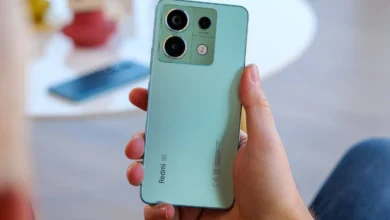
Xiaomi 14 Ultra Price in Nigeria

The Xiaomi 14 Ultra arrives as perhaps the most focused photography smartphone ever created, built around a revolutionary 1-inch sensor and Leica’s optical expertise. In Nigeria, where smartphone photography has become both a passion and a profession for a growing class of content creators, this device represents the ultimate tool for mobile imaging. However, as a device with no official distribution and limited global availability even in major markets, its presence in Nigeria is particularly exclusive and complex. Understanding its pricing, import dynamics, and true value requires examining both its technological ambitions and the realities of Nigeria’s grey market for premium Chinese technology.
This comprehensive guide provides a complete breakdown of Xiaomi 14 Ultra pricing in Nigeria across all configurations, compares it with global prices in markets where it’s officially available, and delivers crucial insights for Nigerian photography enthusiasts and tech early adopters considering this specialized investment.
Xiaomi 14 Ultra Price in Nigeria: Complete Breakdown
The Specialized Import Ecosystem
Xiaomi has no official presence in Nigeria for its premium Ultra series, creating a market that operates entirely through specialized import channels focused on photography enthusiasts and tech collectors. Unlike more mainstream Chinese brands, the 14 Ultra targets a specific niche, affecting its pricing and availability dynamics.
Xiaomi 14 Ultra Storage/RAM Configurations (March 2024):
-
12GB/256GB: ₦950,000 – ₦1,150,000
-
16GB/512GB: ₦1,150,000 – ₦1,350,000
-
16GB/1TB: ₦1,350,000 – ₦1,550,000
Color Variants & Rarity Premiums:
-
Black: Base pricing, most common import
-
White: ₦30,000 – ₦50,000 premium, preferred by photographers
-
Blue (Special Edition): ₦80,000 – ₦120,000 premium, extremely rare
-
Photography Kit Bundle: ₦200,000 – ₦300,000 additional (when available)
Market Segmentation:
-
China Domestic Market Units: Cheapest, require ROM modification, network issues
-
Global Version Imports: 20-30% premium, better compatibility, English support
-
Photography Specialist Imports: Premium pricing with verified camera performance
-
Collector Grade: Unopened, special editions, significant premiums
Critical Factors Influencing 14 Ultra Pricing in Nigeria
1. Photography-First Positioning:
-
Marketed exclusively as camera tool, not general smartphone
-
1-inch Sony LYT-900 main sensor (largest in any phone)
-
Leica Summilux lenses with variable aperture (f/1.63-f/4.0)
-
Professional photography accessories ecosystem
-
Targets Nigerian content creators, professional photographers, videographers
2. Extreme Niche Market:
-
Estimated less than 500 units in entire Nigeria
-
Buyers are specifically seeking camera capabilities above all else
-
No mainstream appeal limits import volumes and economies of scale
-
Each import often custom-ordered by specific buyer
3. Leica Brand Premium:
-
Fourth generation of Xiaomi-Leica partnership
-
Leica authenticity carries significant prestige value
-
Leica image processing algorithms and color science
-
Appeals to Nigerian professionals seeking “Leica look” at smartphone price
4. Accessory Ecosystem:
-
Professional Photography Kit (extra grip, buttons, filter adapter)
-
Special cases with lanyard attachments and heat dissipation
-
Lens filters and adapters for creative photography
-
Creates complete system rather than just phone
5. Charging & Battery Innovation:
-
90W wired HyperCharge (0-100% in ~35 minutes)
-
80W wireless charging (fastest wireless available)
-
Xiaomi Surge P2 chip and G1 battery management
-
Competitive advantage in Nigeria’s power environment
Import Channels & Specialized Verification
Primary Import Pathways:
-
Direct China Import: Cheapest but requires technical knowledge for ROM/network setup
-
Global Version Import: Through UAE/Singapore re-exporters, better out-of-box experience
-
Photography Specialist Importers: Nigerian dealers focusing specifically on camera phones
-
Community Group Buys: Photography clubs pooling orders for better pricing
-
Returning Professionals: Nigerian photographers/creatives returning from abroad
Specialized Verification for Photography Focus:
-
Sensor Inspection: Check for dust/debris behind lenses (common issue)
-
Aperture Mechanism Test: Verify variable aperture changes smoothly
-
Leica Authentication: Verify Leica branding and software features
-
Camera Performance Test: Shoot test photos in various conditions
-
Accessory Compatibility: Test with any included or available accessories
Where Nigerian Buyers Source:
-
Photography Forums/Groups: Primary research and trusted seller discovery
-
Specialized Tech Importers: Those known for camera-focused devices
-
Direct from China: Using services like Superbuy, Wegobuy (for experienced users)
-
Dubai Photography Stores: Some carry global versions for international customers
Global Xiaomi 14 Ultra Price Comparison: 11 Tech Powerhouses
1. China (Primary Market & Manufacturing)
Xiaomi 14 Ultra 12GB/256GB: CNY 6,499 (approx. $902 / ₦800,000)
Nigerian Price: ₦950,000 – ₦1,150,000
Premium Analysis: Nigeria pays 19-44% premium over China price
Critical Note: Chinese version requires ROM flash and has network limitations in Nigeria
2. Europe (Limited Launch Markets)
Xiaomi 14 Ultra 12GB/512GB: €1,499 (approx. $1,624 / ₦1,440,000)
Nigerian Price (for 512GB): ₦1,150,000 – ₦1,350,000
Premium Analysis: Nigeria pays 0-20% LESS than European retail price
Availability: Only in select European countries (Germany, Spain, Italy, France)
3. United Kingdom (Not Officially Available)
Market Status: No official UK launch
Nigerian Price: ₦950,000 – ₦1,150,000
Parallel Market: UK models occasionally appear via European imports
Price Comparison: Similar to European pricing when available
4. India (Not Officially Available)
Market Status: No Indian launch announced
Nigerian Price: ₦950,000 – ₦1,150,000
Import Reality: Some units enter Nigeria via Indian gray market
Pricing: Typically closer to Chinese pricing plus import costs
5. Southeast Asia (Select Markets)
Singapore/Malaysia: Not officially launched
Thailand/Indonesia: Limited availability at premium pricing
Nigerian Comparison: Prices similar to Nigerian market when available
Import Channel: Some Nigerian units sourced through Singapore re-exporters
6. United Arab Emirates (Gray Market Hub)
Market Status: Not officially sold
Nigerian Price: ₦950,000 – ₦1,150,000
Dubai Reality: Available in gray market at 20-30% premium over China price
Nigerian Import: Common route for those wanting global version without China hassles
7. United States (Not Available)
Market Status: Xiaomi doesn’t sell phones in US
Nigerian Price: ₦950,000 – ₦1,150,000
US Buyers: Must import similar to Nigerians, creating parallel demand
Price Effect: US enthusiast demand affects global availability and pricing
8. Australia (Not Available)
Market Status: No Australian launch
Nigerian Price: ₦950,000 – ₦1,150,000
Australian Enthusiasts: Also import, creating additional global competition
Market Impact: Reduces availability for Nigerian buyers
9. Japan (Not Available)
Market Status: No Japanese launch
Nigerian Price: ₦950,000 – ₦1,150,000
Japanese Market: Has different photography preferences
Alternative: Japanese buyers prefer Sony Xperia for photography
10. South Korea (Not Available)
Market Status: No Korean launch
Nigerian Price: ₦950,000 – ₦1,150,000
Korean Market: Dominated by Samsung, little interest in Chinese photography phones
Effect: No competition from Korean buyers for global units
11. Africa Continent (Limited Presence)
South Africa: Occasionally available through specialized importers
Kenya: Small gray market presence
Nigeria: Largest African market for such devices
African Premium: Similar pricing across continent due to shared import challenges
Global Summary: Nigeria’s pricing sits in a unique position—carrying a reasonable premium over the Chinese domestic price (where most units originate) while being competitive with or cheaper than limited official markets in Europe. This reflects both the costs and risks of importation and the device’s exclusive, low-volume nature in Nigeria.
Technical Specifications: The Photography-Centric Value Proposition
Xiaomi 14 Ultra’s Camera-First Architecture
1. Revolutionary Camera System:
-
Main Camera: 1-inch Sony LYT-900 sensor (largest in smartphone)
-
Aperture: Variable f/1.63-f/4.0 (first in smartphone)
-
Lens: Leica Summilux optical system
-
Stabilization: Dual native ISO Fusion, HyperOIS
-
Telephoto: Two periscope lenses (3.2x and 5x optical)
2. Leica Integration:
-
Leica Authentic Look & Leica Vibrant modes
-
Leica filters and color profiles
-
Leica-style UI and shooting experience
-
Professional photography features inspired by Leica cameras
3. Performance for Photography:
-
Snapdragon 8 Gen 3 with dedicated imaging ISP
-
16GB LPDDR5X RAM in top configurations
-
Cirrus Logic MasterHIFI audio for video recording
-
Advanced heat dissipation for sustained shooting
4. Display for Content Creation:
-
6.73″ AMOLED C8 display
-
3,000 nits peak brightness
-
12-bit color depth, Dolby Vision
-
True-to-life color accuracy for photo editing
5. Professional Video Capabilities:
-
8K video at 30fps, 4K at 120fps
-
10-bit Log recording, Dolby Vision HDR
-
Four microphone array with noise reduction
-
Pro-focused video editing tools
Storage Strategy for Photography-Centric Use
12GB/256GB (₦950,000 – ₦1,150,000):
-
For: Serious enthusiasts, not professionals
-
Storage Reality: Fills quickly with RAW photos/4K video
-
Management Required: Regular offloading to computer/cloud
-
Recommendation: Minimum viable for photography focus
16GB/512GB (₦1,150,000 – ₦1,350,000):
-
For: Professional photographers, content creators
-
Storage Adequacy: Can handle multiple projects simultaneously
-
Workflow Benefit: Less frequent file management needed
-
Target User: Those earning from photography/videography
16GB/1TB (₦1,350,000 – ₦1,550,000):
-
For: Working professionals, studio use, videography
-
Professional Need: Stores full projects from shoot to delivery
-
Nigerian Context: Only for those with established photography business
-
Resale Consideration: Very niche market if selling later
Economic Analysis: The Professional Photography Investment
Buyer Profile & Economic Justification
Primary Nigerian Buyer Segments:
-
Professional Photographers: Using as secondary/backup camera
-
Content Creators: YouTube, Instagram, TikTok professionals
-
Wealthy Enthusiasts: Photography as serious hobby
-
Tech Collectors: Seeking latest imaging technology
-
Business Owners: For product photography, marketing content
Income Level & Purchase Justification:
-
Professional Photographer (₦800,000+ monthly): Business tool, tax deductible
-
Content Creator (₦500,000+ monthly): Primary content creation device
-
Enthusiast (₦1,200,000+ monthly): Luxury hobby purchase
-
Business Owner (₦2,000,000+ monthly): Marketing investment
Return on Investment Calculation:
-
Professional Use: Can pay for itself in 2-3 paid shoots
-
Content Creation: Improved quality can increase viewer engagement/revenue
-
Business Marketing: Better product photos can increase sales
-
Enthusiast Value: Purely experiential, no financial return expected
The Professional Photography Ecosystem in Nigeria
Nigerian Photography Market Context:
-
Growing wedding/event photography industry
-
E-commerce driving product photography demand
-
Social media influencing professionalizing content creation
-
Limited access to high-end camera gear due to import costs
-
Smartphone photography becoming professionally accepted
14 Ultra’s Position in This Market:
-
Alternative to: DSLR/mirrorless for certain applications
-
Competes with: iPhone 15 Pro Max, Samsung S24 Ultra for mobile photography
-
Unique Advantage: Larger sensor than any competitor
-
Professional Perception: More credible than standard smartphones
Total Cost of Professional Ownership
Initial Investment:
-
Device: ₦1,250,000 (average 512GB)
-
Accessories: ₦150,000-₦300,000 (cases, filters, grips)
-
Import/Setup: ₦50,000-₦100,000 (if using specialist importer)
-
Total: ₦1,450,000 – ₦1,650,000
Ongoing Costs:
-
Cloud Storage: ₦5,000-₦15,000 monthly (for backup)
-
Repairs: High risk due to part scarcity
-
Accessory Upgrades: As new photography tools released
-
Software: Mobile editing app subscriptions
Comparative Professional Gear Cost:
-
Entry DSLR Kit: ₦800,000-₦1,200,000 (camera + lens)
-
Professional Mirrorless: ₦1,500,000-₦2,500,000
-
iPhone 15 Pro Max: ₦1,500,000-₦1,800,000
-
14 Ultra Advantage: Always with you, discreet, multifunctional
Market Trends and Future Predictions
Nigerian Photography Phone Market Evolution
Current Market Status (2024):
-
Estimated 300-500 high-end photography smartphones in Nigeria
-
Dominated by iPhone Pro models (90%+ market share)
-
Android photography niche divided between Samsung Ultra and Chinese specialists
-
14 Ultra represents perhaps 50-100 units nationally
Growth Drivers:
-
Nigerian content creation economy expanding
-
Mobile photography acceptance in professional circles
-
Social media quality expectations increasing
-
Traditional camera import difficulties persist
Market Limitations:
-
Very high price point limits market size
-
No official support creates professional risk
-
Network/compatibility issues with Chinese imports
-
Competing with established Apple/Samsung ecosystems
Future Predictions:
-
2024: Steady niche growth, maybe 100-150 additional units
-
2025: If Xiaomi expands globally, could improve Nigerian availability
-
Long-term: Photography-focused phones becoming professional tools category
Network & Compatibility Realities in Nigeria
Current Network Performance:
-
Chinese ROM Units: Significant band limitations, 4G issues
-
Global ROM Units: Good compatibility but still some missing bands
-
Best Network: Airtel generally works best with imported Chinese devices
-
Challenge: VoLTE support inconsistent across networks
5G Considerations:
-
Device supports global 5G bands
-
Nigerian 5G still limited in coverage
-
When available, likely to work on MTN/Airtel 5G
-
Chinese band version may not support Nigerian 5G frequencies
Dual SIM Advantage:
-
Dual nano-SIM support
-
Can use Nigerian SIM + local data SIM when traveling
-
Important for photographers needing constant connectivity
-
Both slots support 4G (one at a time)
Expert Recommendations for Nigerian Buyers
Should You Buy the Xiaomi 14 Ultra in Nigeria?
Only Consider If You:
-
Are a professional photographer/content creator
-
Understand and accept the lack of official support
-
Have technical skill to manage Chinese imports
-
Can afford it as a business investment, not just consumption
-
Have alternative communication device
Specifically Valuable For:
-
Wedding/event photographers wanting discreet second camera
-
Product photographers for e-commerce businesses
-
Travel photographers needing lightweight kit
-
Video creators wanting cinematic mobile footage
-
Photography educators teaching mobile photography
Not Recommended For:
-
General smartphone users
-
Those needing reliable daily communication
-
Buyers expecting good resale value
-
Anyone uncomfortable with technical troubleshooting
-
Those on tight budgets
Optimal Purchase Approach
For Professionals (Recommended Approach):
-
Source: Specialized photography importer with support
-
Configuration: 16GB/512GB minimum
-
Budget: Include accessories and backup solutions
-
Testing: Comprehensive camera testing before acceptance
-
Support Plan: Identify repair options before purchase
For Enthusiasts:
-
Consider: Whether photography hobby justifies ₦1,000,000+ phone
-
Alternative: Dedicated camera + cheaper phone may be better
-
Community: Join photography groups first, learn from others’ experiences
-
Realism: Acknowledge this is luxury purchase, not practical necessity
Purchase Timing Strategy:
-
Now: If needed for immediate professional work
-
Wait 3-4 Months: For potential price decrease as novelty wears
-
Wait for Reviews: Global photography community feedback emerging
-
Consider: Xiaomi 13 Ultra prices dropping, representing better value
Configuration & Sourcing Recommendations
Priority Configuration:
-
16GB/512GB Global Version: Best balance for professionals
-
Color: White preferred for photography (less heat absorption)
-
Essential: Photography Kit if available (greatly enhances experience)
-
Must Have: Quality screen protector and case immediately
Sourcing Hierarchy:
-
Photography Specialist Importers: May offer camera-specific support
-
Global Version Through UAE: Better out-of-box experience
-
Direct China with Flashing Service: Cheapest but most technical
-
Avoid: General phone importers without photography expertise
Verification Protocol:
-
Camera Comprehensive Test: All lenses, apertures, modes
-
Sensor Inspection: Magnifying glass check for dust
-
Performance Test: Sustained shooting for overheating
-
Network Test: With your actual SIM cards
-
Accessory Test: All included accessories functional
Professional Alternatives to Consider
Within Mobile Photography:
-
iPhone 15 Pro Max: Better support, ecosystem, video capabilities
-
Samsung S24 Ultra: Better support, S Pen, longer zoom
-
Vivo X100 Pro: Similar photography focus, sometimes better availability
Dedicated Camera Alternatives:
-
Sony A7C + Lens: ₦1,800,000-₦2,200,000 (true camera experience)
-
Fujifilm X-S20: ₦1,200,000-₦1,500,000 (excellent for video)
-
Used Professional Gear: Better value, true photography tool
Hybrid Approach:
-
Good smartphone + Entry camera: Best of both worlds
-
Example: Mid-range phone (₦400,000) + Sony ZV-1 (₦800,000)
-
Total: ₦1,200,000, more versatile than single 14 Ultra
Conclusion: The Ultimate Mobile Photography Tool with Nigerian Realities
The Xiaomi 14 Ultra represents the absolute pinnacle of smartphone photography ambition—a device engineered from the ground up for image creation rather than general communication. For Nigerian photography professionals and serious enthusiasts, it offers capabilities that genuinely blur the line between smartphone and dedicated camera, particularly with its revolutionary 1-inch sensor and Leica optical partnership.
However, its presence in Nigeria comes with significant caveats that every potential buyer must honestly assess:
The Professional Case For:
If you earn your living through photography or content creation, and mobile photography forms a meaningful part of your workflow, the 14 Ultra can genuinely be a business investment. Its larger sensor provides tangible image quality advantages, its Leica processing delivers distinctive results, and its professional accessories enable shooting experiences closer to traditional cameras than any other phone.
The Enthusiast Reality Check:
For non-professionals, the 14 Ultra represents perhaps the most extreme example of diminishing returns in smartphones. While its photography capabilities are unquestionably superior, whether they’re ₦500,000-₦700,000 superior to other premium phones for hobbyist use is debatable. The lack of support, network issues, and rapid depreciation create additional costs beyond the purchase price.
The Nigerian Context Challenge:
Even more than other imported phones, the 14 Ultra suffers from the complete absence of official support in Nigeria. Every issue becomes a major project requiring specialized knowledge, imported parts, or international shipping. For professionals relying on the device for income, this represents genuine business risk.
For the right Nigerian user—a photography professional who understands the technical landscape, has backup equipment, and can truly leverage the camera capabilities for financial return—the Xiaomi 14 Ultra can be a transformative tool. It brings medium-format-esque sensor size to mobile photography, coupled with Leica’s optical heritage, in a package that’s always in your pocket.
For everyone else, more practical options exist that deliver 80-90% of the photography experience with 200% of the support and practicality. As Nigeria’s photography community grows and mobile imaging becomes increasingly professionalized, devices like the 14 Ultra will likely find their niche. But for now, that niche remains small, specialized, and requiring significant technical and financial commitment from those who enter it.
Note: The Xiaomi 14 Ultra represents perhaps the most volatile and specialized smartphone market segment in Nigeria. Prices, availability, and support conditions change rapidly. Professional buyers should conduct extensive due diligence, possibly including importing a unit for testing before full commitment. Always have backup photography equipment when relying on imported specialist devices for professional work.