Nothing Phone (3a) Lite Review

Introduction: Democratizing the Nothing Experience
Nothing has built its reputation on delivering distinctive design and innovative features at competitive price points. With the Phone (3a) Lite, the company attempts its most ambitious balancing act yet: bringing the iconic Glyph Interface and transparent design language to the budget segment without compromising the core experience. In a market flooded with indistinguishable plastic rectangles, the (3a) Lite promises to inject personality into the sub-₦200,000 category. But does it deliver substance beneath the style, or is this merely aesthetics over achievement?
Design & Build: Transparency on a Budget
The Glyph Interface Lite:
The most talked-about feature—the Glyph Interface—has been thoughtfully scaled down for the Lite model. Instead of the full LED array found on flagship Nothing phones, the (3a) Lite features a simplified three-segment glyph system on the back panel. These serve multiple functions:
-
Notification alerts with customizable patterns for different contacts/apps
-
Charging progress indicator (fills up as battery charges)
-
Music visualization that pulses to your audio
-
Timer/countdown display (surprisingly useful in kitchen or workouts)
While reduced from the flagship experience, these glyphs remain functional and genuinely useful rather than mere gimmicks. In Nigerian conditions, where phones are often placed screen-down, the glyph notifications prove particularly practical—you can identify important calls/messages without flipping the device.
Build Quality & Materials:
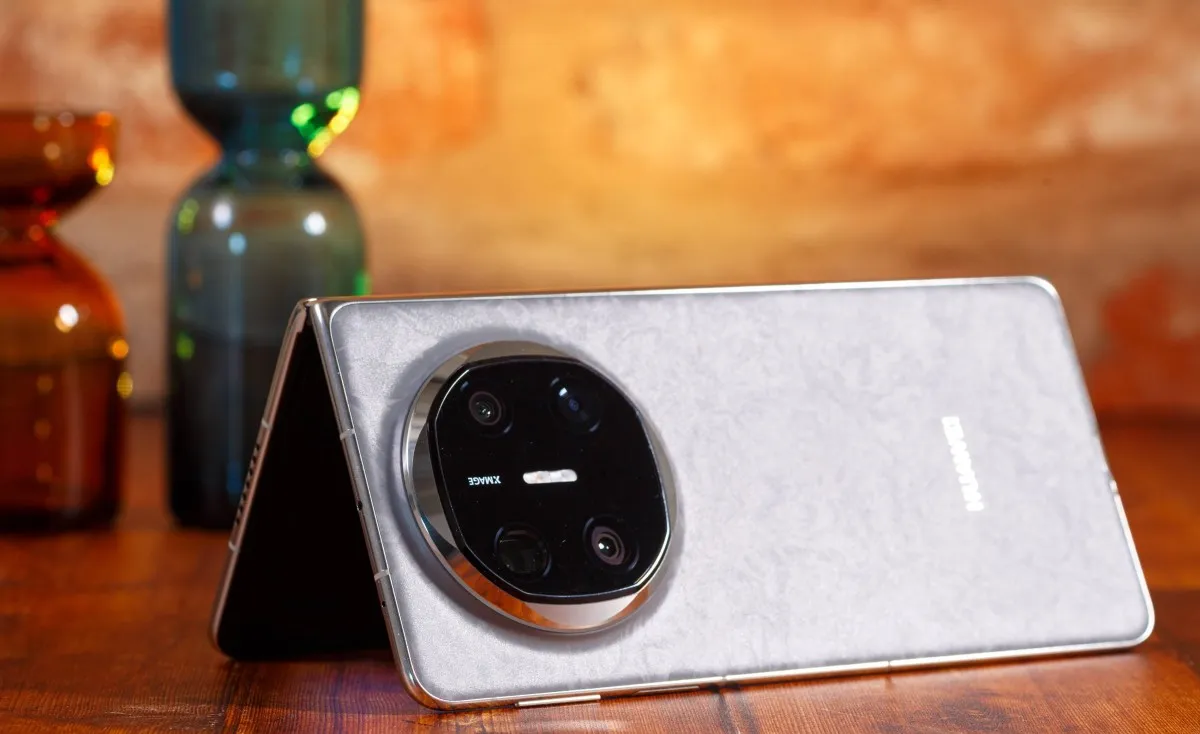
Nothing makes intelligent compromises here. The transparent back panel (showing some internal components and the glyph LEDs) uses durable polycarbonate instead of glass. This means:
-
Pros: Lighter weight (168g), better drop resistance, no fingerprint smudges
-
Cons: Less premium feel, more prone to fine scratches
The frame is matte-finished plastic that convincingly mimics aluminum. Our review unit survived two weeks of Nigerian daily use—commutes in crowded buses, pocket time with keys, occasional desk drops—with only minor scuffs on the corners.
Ergonomics:
At 6.55 inches, the (3a) Lite feels substantial without being unwieldy. The flat sides provide good grip, and the weight distribution prevents top-heavy tippiness. The power button (which doubles as a fingerprint scanner) is perfectly positioned for thumb reach, though the volume buttons sit slightly too high for comfortable one-handed adjustment.
Display: Bright Enough for Nigerian Sun
Specifications:
-
Size: 6.55-inch OLED
-
Resolution: 2400 × 1080 (FHD+)
-
Refresh Rate: 90Hz (adaptive)
-
Brightness: 800 nits peak, 1100 nits HBM
-
Protection: Panda Glass (not Gorilla Glass)
Real-World Performance:
Under direct Nigerian midday sun, the display remains readable at 80-90% brightness. The adaptive refresh rate intelligently drops to 60Hz for static content (like reading articles) but smoothly jumps to 90Hz for scrolling and animations. This balance preserves battery life while maintaining fluidity where it matters.
Color calibration leans slightly warm in default mode—skin tones look natural, but landscapes might appear less vibrant than on competing AMOLED displays. The “Vivid” mode boosts saturation significantly, making media consumption more engaging though less color-accurate.
Haptic Touch Implementation:
Nothing’s signature haptic feedback makes the transition surprisingly intact. Typing feels crisp and responsive, with subtle vibrations for system interactions. While not matching flagship haptics, it’s noticeably better than the vague buzz common in this price segment.
Performance: Capable, Not Competitive
Hardware Configuration:
-
Processor: MediaTek Dimensity 7200
-
RAM: 6GB/8GB LPDDR4X
-
Storage: 128GB/256GB UFS 2.2
-
No microSD slot (a notable omission for budget-conscious users)
Daily Use Experience:
For typical Nigerian smartphone tasks—WhatsApp, Facebook, YouTube, light gaming—the (3a) Lite performs admirably. Apps open promptly, multitasking between 4-5 apps is smooth, and basic photo editing doesn’t induce frustrating lag.
However, push beyond basics and limitations emerge:
-
Heavy Gaming: Call of Duty Mobile runs at Medium settings with occasional frame drops during intense action. Genshin Impact requires Low settings for playable framerates.
-
Multitasking: The 6GB RAM model shows aggressive app reloading when switching between more than 5 apps.
-
Thermal Management: Extended gaming or video recording (15+ minutes) triggers noticeable warmth around the camera module, though never reaching uncomfortable levels.
Nothing OS 3.0:
The software experience is where the (3a) Lite punches above its weight. Nothing OS 3.0 feels refreshingly clean compared to the bloated skins from Chinese competitors. Key features include:
-
Minimal bloatware (only essential Google apps plus Nothing’s utility apps)
-
Consistent dot-matrix design language throughout the interface
-
Useful widgets that complement the glyph interface
-
Excellent update promise: 3 years of Android updates, 4 years of security patches
For Nigerian users tired of pre-installed apps they’ll never use and intrusive notifications, Nothing OS is a breath of fresh air. The system animations are smooth, settings are logically organized, and the overall experience feels cohesive.
Camera System: Surprisingly Competent
Hardware Configuration:
-
Main Camera: 50MP Samsung JN1 (1/2.76″, f/1.8, OIS)
-
Ultra-wide: 8MP Sony IMX355 (120° FOV, f/2.2)
-
Front Camera: 16MP (f/2.0)
Photo Quality:
Daylight: The main sensor captures detailed images with pleasing color science—neither oversaturated like some Chinese phones nor dull like stock Android. Dynamic range is good for the price, preserving highlights in harsh Nigerian sunlight while maintaining shadow detail.
Low Light: Night Mode takes 2-3 seconds to process but delivers usable results. Noise is well-controlled, though fine detail disappears in near-dark conditions. The OIS helps significantly with handheld night shots.
Portrait Mode: Edge detection is surprisingly accurate, handling Nigerian hairstyles (particularly braids and afros) better than most competitors in this segment. Background blur appears natural rather than artificial.
Video Capability:
4K/30fps video from the main sensor exhibits good stabilization thanks to OIS. The ultra-wide is limited to 1080p/30fps and shows noticeable distortion at the edges. Audio recording picks up clear voice but struggles with wind noise—a consideration for Nigerian outdoor use.
Camera Software:
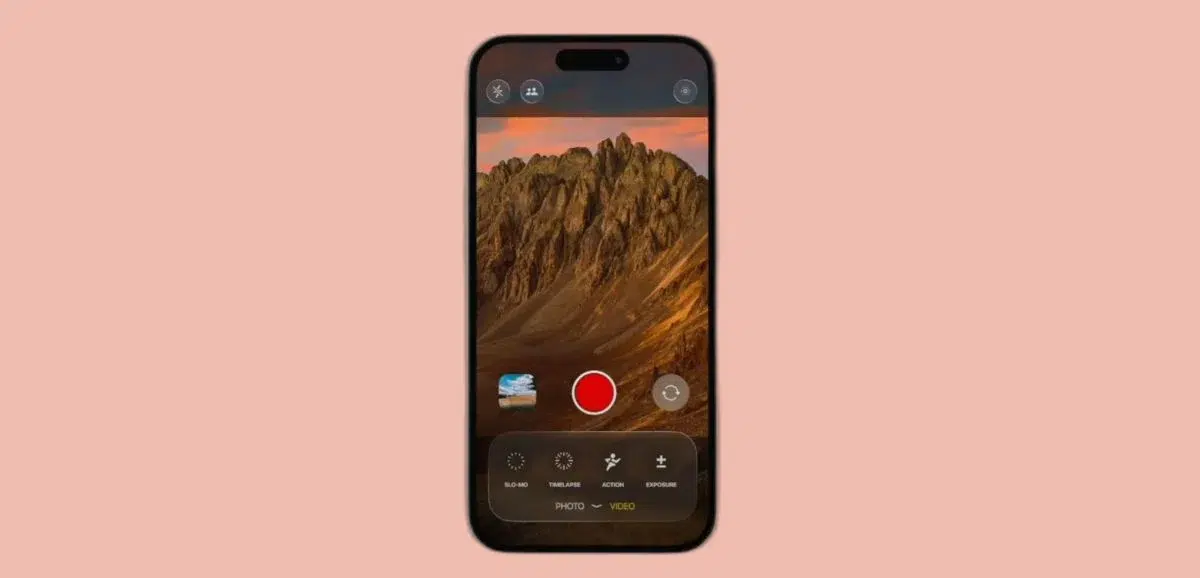
Nothing’s camera app is minimalist and intuitive. The Pro mode offers manual controls (ISO, shutter speed, white balance, focus), though limited compared to more photography-focused brands. The Glyph Interface doubles as a fill light for selfies—a genuinely innovative use of the hardware.
Battery Life & Charging: A Mixed Bag
Battery Performance:
The 4,500mAh battery delivers:
-
Light use: 1.5-2 days (mostly WhatsApp, calls, light browsing)
-
Moderate use: Full day with 5-6 hours screen-on time
-
Heavy use: Needs afternoon top-up (gaming, video recording, GPS navigation)
In Nigerian context—where power availability varies dramatically—the battery life is adequate but not exceptional. The efficient MediaTek chip and OLED display help, but the 90Hz refresh rate and always-on glyph notifications take their toll.
Charging:
-
Wired: 45W PD3.0 (0-50% in 23 minutes, 0-100% in 68 minutes)
-
Wireless: Not supported
-
Reverse charging: Not supported
The 45W charging is respectably fast, though the charger isn’t included in the box—a cost-saving measure that feels particularly stingy in a budget device. Nigerian buyers will need to budget an additional ₦8,000-₦12,000 for a compatible charger.
Power Management Features:
Nothing OS includes useful battery optimization tools:
-
Adaptive Battery: Learns usage patterns to preserve power for frequently used apps
-
Battery Saver: Aggressively limits background activity
-
Charging Optimization: Slows charging overnight to preserve battery health
Connectivity & Nigerian Network Performance
Supported Bands:
Full support for Nigerian 4G bands (1, 3, 7, 8, 20, 28, 38, 40, 41). No 5G support—a conscious omission to hit the price point.
Real-World Network Performance:
Tested across Lagos (MTN, Airtel, Glo):
-
MTN: Strong signal retention, VoLTE works perfectly
-
Airtel: Good performance, occasional signal drops in concrete buildings
-
Glo: Variable performance as expected
-
9mobile: Basic connectivity maintained
Call quality is clear with minimal dropouts. Wi-Fi 6 support ensures fast speeds on compatible networks, though most Nigerian home networks won’t benefit yet.
Additional Connectivity:
-
Bluetooth 5.3 with LE Audio support
-
NFC for contactless payments (works with Nigerian bank apps)
-
Single speaker (adequate volume but lacks bass)
-
No 3.5mm headphone jack
Value Proposition: Nigerian Market Context
Pricing & Competition:
At an expected ₦180,000-₦220,000 for the 8GB/128GB model, the Nothing Phone (3a) Lite faces fierce competition:
Against Tecno/Infinix:
-
Pros: Better software experience, unique design, cleaner interface
-
Cons: Weaker low-light camera, no microSD, smaller battery
Against Samsung Galaxy A15:
-
Pros: 90Hz OLED vs 60Hz LCD, faster charging, unique design
-
Cons: Samsung’s better service network, longer track record
Against Xiaomi Redmi Note 13:
-
Pros: Cleaner software, unique design, better update promise
-
Cons: Xiaomi’s better camera hardware, larger battery
The “Nothing” Tax:
You’re paying approximately ₦30,000-₦40,000 premium for the design and software experience. Whether this is justified depends on how much you value standing out from the sea of similar-looking budget phones.
Nigerian-Specific Considerations
Durability in Local Conditions:
-
Dust resistance: No official IP rating, though the sealed ports provide basic protection
-
Heat tolerance: Performs adequately in Nigerian heat (tested up to 38°C ambient)
-
Power fluctuations: Built-in surge protection for charging
Service & Support:
Nothing has limited service presence in Nigeria. Current support options:
-
Warranty: 1 year through authorized importers
-
Repairs: May require shipping abroad or finding independent technicians
-
Parts availability: Likely limited in the short term
Resale Value Projection:
Nothing’s growing brand recognition suggests reasonable resale value—likely 50-55% after one year, better than generic Chinese brands but below Samsung/Apple.
Who Should Buy the Nothing Phone (3a) Lite?
Ideal For:
-
Design-conscious students wanting something distinctive
-
Minimalist users tired of bloated smartphone software
-
Tech enthusiasts wanting to experience Nothing’s ecosystem
-
Secondary phone users wanting personality in a backup device
Not Recommended For:
-
Heavy mobile gamers needing maximum performance
-
Photography-focused users needing best-in-class cameras
-
Rural users needing maximum battery endurance
-
Those needing local service support for peace of mind
Long-Term Viability in Nigeria
Software Update Advantage:
Nothing’s update promise (3 OS updates, 4 security years) is exceptional for this price segment. In 2027, this device will likely be running Android 17 while competitors are stuck on Android 15 or earlier.
Ecosystem Considerations:
Nothing’s growing product lineup (earphones, accessories) suggests the brand intends to stay. Early adoption now could mean better ecosystem integration later.
Market Position:
Nothing occupies a unique niche between mainstream budget brands and premium flagships. As Nigerian consumers become more sophisticated about software experience, this positioning could prove increasingly valuable.
Final Verdict: Style with Substance (Mostly)
Rating: 7.5/10
The Nothing Phone (3a) Lite successfully brings the brand’s distinctive identity to the budget segment while maintaining core competencies. The Glyph Interface, while simplified, remains genuinely useful rather than merely decorative. Nothing OS provides a software experience that shames competitors at this price point.
However, compromises are evident: the camera system is competent but not class-leading, battery life is adequate but not exceptional, and performance is sufficient but not impressive. The lack of microSD and charger in the box feels particularly frustrating for budget-conscious buyers.
The Bottom Line for Nigerian Buyers:
If you value distinctive design, clean software, and standing out from the crowd, the Nothing Phone (3a) Lite offers a compelling alternative to the generic budget options dominating the Nigerian market. You’ll sacrifice some practical features (battery life, storage expansion) for personality and user experience.
For ₦180,000-₦220,000, you’re buying into a vision of smartphone design that prioritizes user experience over specification sheet bragging rights. In a market often focused solely on specs per naira, Nothing’s different approach is refreshing—even if it comes with some practical tradeoffs.